Elevating Vietnamese games 🎮 🇻🇳
This is where all game developers from beginners to intermediate levels can gather, connect and learn from each other with the goal of advancing the game develo
Original Content by Pirate Software from develop.games
WHO ARE YOU?
My name is Alan Pham, but people usually call me Nghi. I started my journey in the gaming industry in 2010, working for various companies and game projects before deciding to establish my own studio - SAYU STUDIO in 2015. As the founder and CEO, I handle many different responsibilities from programming, scriptwriting, and design to project management and social media.
Here is the advice I want to share with anyone looking to start game development. Understand that this job isn't for everyone. It's not easy, sometimes boring, and can be discouraging, just like any other job. However, it can also be the best thing you've ever done in your life. Nothing compares to having someone play and love the product you created.
What skills do I need?
What if I told you that you didn't need any? Well guess what. You don't. We live in a time where you can learn anything you need to make a game with relative ease. Despite what you may think none of that comes from natural talent. We all just pour our hours into getting better at what we do. You can do the same. Below you will find some examples of games that are already out there that help reinforce this.
You don't need to be an amazing artist.
- Thomas Was Alone is made of rectangles. All of it. Even the particles. It will also make you cry. Thomas Was Alone is a masterclass in minimalist art and fantastic voice over. You can make simple shapes. You can learn to make particles out of simple shapes. You can create a shell of a game that accomplishes the same basic goals as Thomas Was Alone. You can make a game.

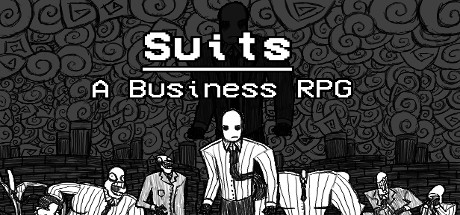
- Suits: A Business RPG was made with incredibly simplistic pixel art and drawn pencil images that are scanned into a computer. It's entirely unique and incredible. This shows that you can really break out of standard game visuals and still succeed. You can draw doodles on paper. You can make a game.
- West of Loathing is the glorious successor to Kingdom of Loathing. It's also entirely stick figures and insane humor. The cartoony simplistic figures really help lean in to the rest of the story and jokes in a way that makes it all even funnier. You can make a stick man. You can make a game.

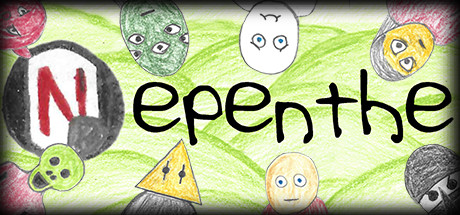
- Nepenthe takes a similar route as Suits A Business RPG. It was made entirely in colored pencil, scanned into a computer, and used as tiles and assets. The effect ends up making a really unique and surreal adventure. You can draw doodles on paper. You can make a game.
You don't need to be an amazing musician.
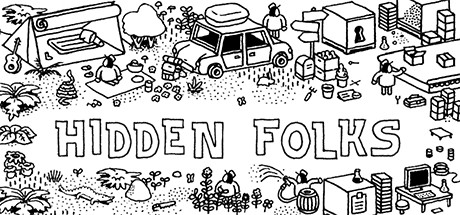
- Hidden Folks is effectively an evolution on Where's Waldo and while it's simple in concept it's super well executed. The wild thing that sets it apart is the audio. Everything... and I do mean everything, is mouth sounds. All of the music, the effects, all of it was made with someones face. It's incredible. You have a face. You can make a game.
You don't need to be an amazing programmer.
Yes, that's right. Undertale is a damn incredible game. It has a unique combat style, great story, the puzzles are ok, and the dad jokes are plentiful. Toby Fox was a much more novice programmer at the time and the code base has some incredibly odd choices throughout it. Does it matter? Is the game less fun? Protip: It doesn't matter. You can learn programming as you go. You can make a game.
What kind of game should I make?

Everyone wants to make the biggest most impressive game they've ever seen at first. They want to show it off for clout and admiration from others. They want to make something worthy of praise. Many of us want to make our dream game right off the bat and just amaze everyone with how awesome we are
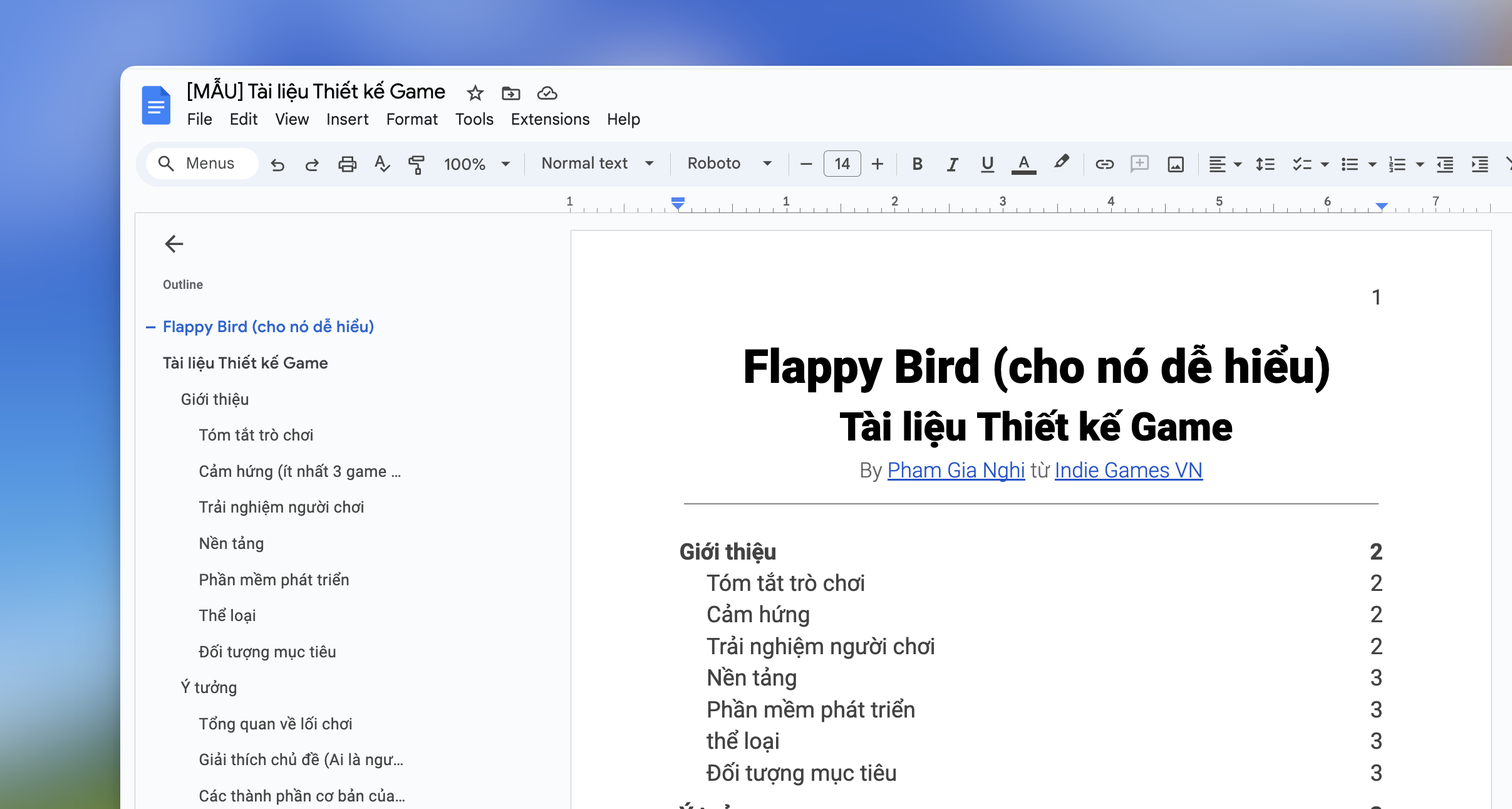
One of the best ways to start this process is by building a Game Design Document. This is a living document to help you organize your entire project and stay in scope. It also lets you investigate different engines or languages that may work with the kind of game you're making before you commit. Overall a GDD saves you time and money and is always beneficial.
How do I build a team?
Join game jams there or on Itch.io. You can find HUNDREDS of game jams there and really mingle with a bunch of people out there. The more you do this the more confident you will be in your abilities and the more you will learn what you are looking for in a team.
Tools
Right now is the best time in history to make a game. Tools are easier to access and tons of cheap or free versions are available for any discipline. Social programs such as Guilded and Discord allow people to work together collaboratively from anywhere. With storage solutions like Google Drive and Github we can share files and work without a huge amount of financial buy in.
- Godot: A completely free and open-source tool, suitable for both 2D and 3D games. You won't find anything better.
- GameMaker: Good for 2D games with a reasonable payment model.
- Unreal Engine: A powerful tool for 3D games with a flexible payment model.
- Ren'Py: Perfect for Visual Novels, easy to use with a strong support community.
How do I raise money?
Raising funds for indie games can be quite challenging, but there are several ways you can try such as streaming on Twitch, Kickstarter, selling merchandise, or joining subscription services like Ko-Fi.
Traps and Deceptions
Be cautious of common traps and scams, from phishing emails to unclear contracts. Don't sign anything you haven't thoroughly read.
Marketing & Community
Building a community is the most crucial factor in indie game development. Without a community, even the best games will struggle to succeed. Maintaining regular contact with your community and continuously learning from them will help you grow more steadily. Here's how we built and maintained our community.
We started by setting up social media accounts to gather everyone in one place. Discord was chosen as the main community hub where people could meet, interact, share ideas, and provide feedback. This platform is ideal for maintaining regular interaction between members and creating a friendly, open environment.
Next, we established satellite accounts to drive people back to Discord. These accounts include Twitter, Instagram, Steam, Game Jolt, Itch.io, Twitch, YouTube, Reddit, and Guilded. The goal of these satellite accounts is to create a "funnel effect" – directing users from various platforms to Discord. Through this strategy, we keep everyone updated and connected, ensuring important announcements aren't missed by our most engaged and interactive players.
This strategy has helped us create a dynamic and passionate community where members aren't just players but become strong supporters and companions in our game development journey. Using Discord as the hub and satellite channels as lead sources has not only helped us build a strong community but also created opportunities to reach new and potential audiences.
Always remember that community is the key to long-term success for your game. Treat your community like real friends and take time to listen and respond to them. This will help you build a strong relationship and deep connection with your players.
Where to release your game?
- Steam: The best platform with robust game development tools and a strong distribution network.
- Game Jolt
- Itch.io:Flexible and highly customizable but requires more effort to increase discoverability.